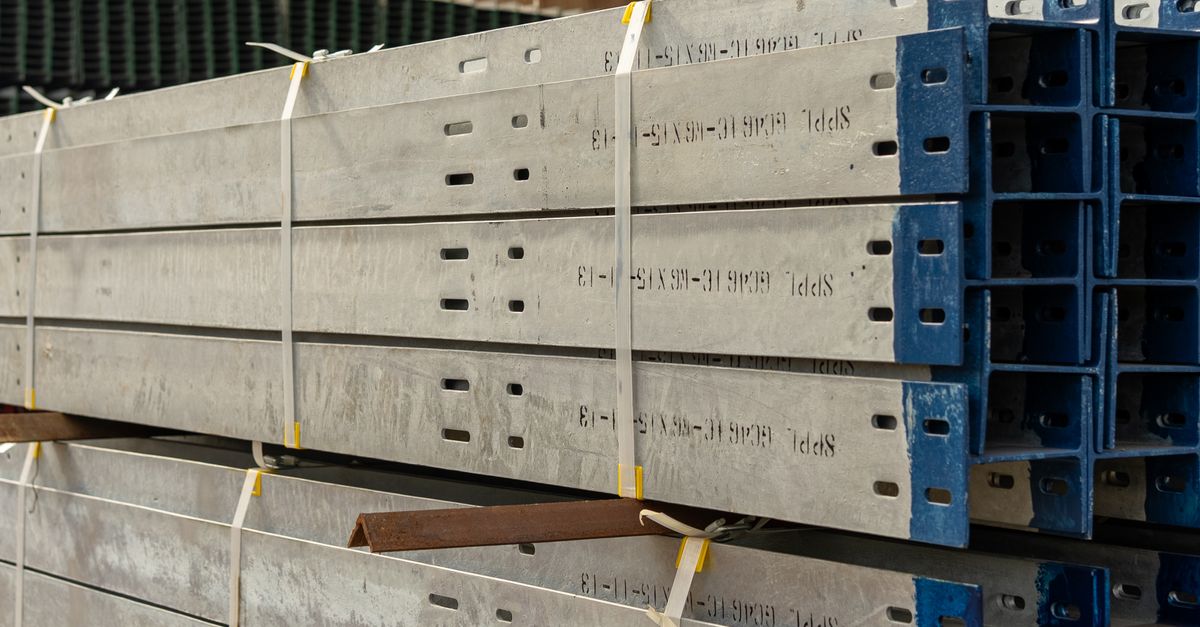
Customised CNC Machining for Complex Metal Components in Perth
Table Of Contents
Materials Used in CNC Machining
The selection of materials in CNC machining significantly impacts the final product's quality and performance. Aluminium is frequently chosen for its lightweight nature and excellent machinability. Steel, known for its strength and durability, is another popular metal used in various applications. Stainless steel offers corrosion resistance, making it suitable for components exposed to harsh environments. Additionally, other materials like brass, copper, and titanium are also utilised depending on the specific requirements of the project.
Different projects require distinct materials based on functionality and desired characteristics. For intricate components where precision is paramount, engineers often consider magnesium or specialised alloys. Plastics, although not metals, are also used in conjunction with metal components in some applications, providing flexibility and reducing overall weight. Each material brings its unique benefits, necessitating careful selection to achieve optimal results in customised machining.
Popular Choices for Metal Components
Aluminium stands out as a preferred material due to its lightweight nature and excellent corrosion resistance. It is often used in industries ranging from aerospace to automotive, allowing for efficient manufacturing processes and enhanced performance in products. The flexibility of aluminium also lends itself well to intricate designs, making it a popular choice for custom components that require precise specifications.
Stainless steel is another highly sought-after option, valued for its strength and durability. Its resistance to rust and oxidation makes it ideal for parts exposed to harsh environments. The material's ability to withstand high temperatures further broadens its applications across various sectors. While heavier than aluminium, stainless steel provides the robustness needed for applications requiring long-lasting performance.
Quality Assurance in CNC Machining
Quality assurance plays a crucial role in the CNC machining process. It ensures that all components produced meet predefined standards and client specifications. Implementing rigorous inspection protocols helps identify any discrepancies early in production. Advanced measuring techniques, such as coordinate measuring machines (CMM), have become standard practice. These tools enable precise verification of dimensions and tolerances, reducing the risk of defects and enhancing overall quality.
To maintain high standards, manufacturers often adhere to industry-specific certifications and best practices. Regular audits and personnel training ensure that skills remain sharp and that the latest techniques are employed. This continuous improvement cycle not only boosts operational efficiency but also fosters customer trust. A commitment to quality assurance ultimately solidifies a company’s reputation in the competitive CNC machining landscape.
Ensuring Standards and Specifications
In the realm of CNC machining, maintaining strict standards is paramount. Manufacturers must adhere to various quality certifications such as ISO 9001. These certifications ensure that processes are consistent and meet customer expectations. Regular audits and inspections play a vital role in identifying any discrepancies in production. This commitment to quality not only enhances reliability but also fosters trust with clients looking for precision in complex metal components.
Specifications play a crucial role in guiding machinists throughout the production process. Detailed drawings and models feature tolerances and dimensions that must be closely followed. The clear communication of these specifications informs the machining process at every stage. Any deviation can lead to errors that compromise the integrity of the final product. Skilled technicians employ advanced tools and techniques to interpret these specifications accurately, ensuring that every component meets the desired performance standards.
Advancements in CNC Machining Technology
Recent developments in CNC machining technology have significantly transformed the manufacturing landscape. The integration of artificial intelligence and machine learning into CNC systems allows for enhanced precision and efficiency. These advancements facilitate real-time monitoring and predictive maintenance, which can reduce downtime and optimise production processes. The incorporation of automaton tools has also led to streamlined workflows, enabling quicker turnaround times for complex metal components.
Another notable advancement is the emergence of multi-axis CNC machines, which offer greater flexibility in handling intricate designs. These machines can operate on several axes simultaneously, allowing for more complex shapes to be machined with precision. The ability to manipulate materials from multiple angles improves the capabilities of customisation. Furthermore, advancements in software have provided improved simulation and modelling features, ensuring that designs can be tested virtually before production begins. This innovation contributes to minimising errors and maximising efficiency in the manufacturing process.
Innovations Enhancing Customisation
Technological advancements have revolutionised the landscape of CNC machining, allowing for unprecedented levels of customisation. Integration of software solutions capable of advanced simulations enables manufacturers to visualise designs in real-time. This empowers clients to make on-the-spot adjustments, ensuring that every detail aligns with their specifications. Additionally, the implementation of artificial intelligence enhances predictive maintenance and optimises machining processes, leading to quicker turnarounds without compromising quality.
The rise of additive manufacturing techniques has also played a significant role in customisation. By combining traditional CNC machining with 3D printing technologies, fabricators can now produce intricate designs that were once deemed impractical. This hybrid approach allows for the creation of lightweight yet robust components, tailored to meet unique customer requirements. As a result, businesses in Perth are poised to meet the evolving demands of various industries, delivering bespoke solutions that stand out in a competitive market.
FAQS
What is customised CNC machining?
Customised CNC machining is a manufacturing process that uses computer numerical control technology to create tailored metal components based on specific design requirements and specifications.
What materials are commonly used in CNC machining for metal components?
Common materials used in CNC machining include aluminium, stainless steel, brass, and titanium, each chosen for its unique properties suitable for different applications.
How do you ensure quality in CNC machining?
Quality assurance in CNC machining is achieved through rigorous testing, adherence to industry standards, precision measurement, and regular maintenance of machinery to ensure consistent production quality.
What advancements are currently shaping CNC machining technology?
Recent advancements in CNC machining include the integration of artificial intelligence, improved automation, and enhanced software capabilities that allow for greater precision and flexibility in customisation.
How does CNC machining cater to complex metal components?
CNC machining can create complex metal components by utilising advanced tools and techniques that allow for intricate designs, precise detailing, and the ability to work with challenging geometries that traditional machining methods may struggle with.
Related Links
Quality Control Measures in CNC Machining Services in PerthUnderstanding the Role of CNC Machining in Perth’s Aerospace Industry
The Future of CNC Machining in Perth’s Metal Fabrication Landscape
Comparing CNC Machining Techniques for Various Applications in Perth
How CNC Machining Enhances Efficiency in Perth's Metal Fabrication Processes
CNC Machining Services: Meeting the Demands of Perth's Automotive Industry