The Role of TIG Welding in Precision Fabrication
Table Of Contents
Techniques for Enhancing TIG Welding
Improving the quality of TIG welding involves several techniques that can significantly enhance the overall outcome. One essential approach is controlling the heat input. By adjusting the amperage based on material thickness, welders can minimise distortion and prevent overheating, ensuring a strong and consistent weld pool. Utilising the right type of filler material is also crucial, as it needs to be compatible with the base metal to form an optimal bond.
Another effective technique is maintaining a stable arc length while welding. A consistent distance between the tungsten electrode and the workpiece leads to greater precision and control over the weld bead appearance. Additionally, employing a proper gas coverage, such as argon or a mix of argon and helium, will protect the weld area from contamination. These measures contribute to producing cleaner, stronger welds that meet strict fabrication standards.
Best Practices for Precision Fabrication
Precision fabrication demands meticulous attention to detail and adherence to established techniques. Selecting the right tungsten electrode is crucial for achieving optimal arc stability and control. For materials that require a clean finish, purging the area with an inert gas improves joint quality and reduces contamination. It is also essential to maintain correct settings for ampere output, as this affects penetration and bead formation. Regular calibration of equipment can help achieve better results while enhancing process consistency.
In addition to equipment choices, the workspace environment plays a significant role in the quality of welds. Controlling the atmosphere around the welding area helps prevent oxidation and other impurities. Proper fixture setups can ensure that parts remain stable and aligned during the welding process. Skilled operators should also be adept at adjusting their technique based on the specific materials being used. Continuously refining skills and staying updated with advancements in TIG welding technology contributes to sustained precision in fabrication.
Common Challenges in TIG Welding
TIG welding presents several challenges that can impact the quality of the final product. One common issue occurs when the tungsten electrode becomes contaminated, which can lead to erratic arc behaviour and imperfect welds. It is crucial to maintain a clean, sharp tip on the tungsten to achieve the best results. Another challenge is controlling heat input, as excessive heat can cause distortion or burn-through, particularly in thinner materials. Monitoring travel speed and adjusting the amperage accordingly helps mitigate these concerns.
Welding thin materials often requires a steady hand and precise adjustments, which can be difficult for welders under pressure. Improper filler material selection can also result in weak joints or poor fusion. Additionally, achieving optimal shielding gas flow is essential to prevent oxidation and ensure a clean weld. Variability in the welding environment, such as drafts or contamination from surrounding materials, can further complicate the process and affect weld integrity. Adapting to these challenges necessitates a blend of skill, experience, and meticulous attention to detail.
Troubleshooting Common Issues
Weld pool instability can arise during TIG welding, resulting in a poor-quality finish. Adjusting the arc length is often a primary fix; maintaining an appropriate distance between the tungsten electrode and the workpiece can stabilise the arc. If the bevel or edge preparation of the base material is inadequate, this may result in an uneven weld. Ensuring that the edges are clean and properly aligned is crucial.
Electrode contamination poses another common issue that can compromise weld integrity. This often occurs when the tungsten is contaminated with oils or other foreign materials, leading to an erratic arc. Regularly inspecting and cleaning the electrode can alleviate this issue. Additionally, using the correct filler material ensures compatibility with the base metals, which is essential for achieving a strong joint. Knowing when to replace the electrode can significantly improve overall weld quality.
Safety Considerations in TIG Welding
TIG welding, while an effective method for achieving high-quality welds, poses various safety risks. The intense heat generated can lead to severe burns if proper precautions are not taken. Welders must ensure that their work environment is free from flammable materials to reduce the risk of fire or explosions. Additionally, the presence of harmful ultraviolet and infrared radiation necessitates the use of appropriate shielding to protect the eyes and skin. Wearing a properly fitted welding helmet with the correct filter shade is essential to safeguard against these hazards.
Another critical aspect of safety in TIG welding involves adequate ventilation. Fumes and gases released during the welding process can be hazardous if inhaled. Implementing proper exhaust systems or working in well-ventilated areas helps minimise exposure to these toxic substances. Personal protective equipment (PPE) is equally important; welders should always wear gloves, flame-resistant clothing, and steel-toed boots to prevent injuries. Adhering to established safety protocols ensures a safer work environment and mitigates the risk of accidents associated with TIG welding.
Important Safety Gear and Protocols
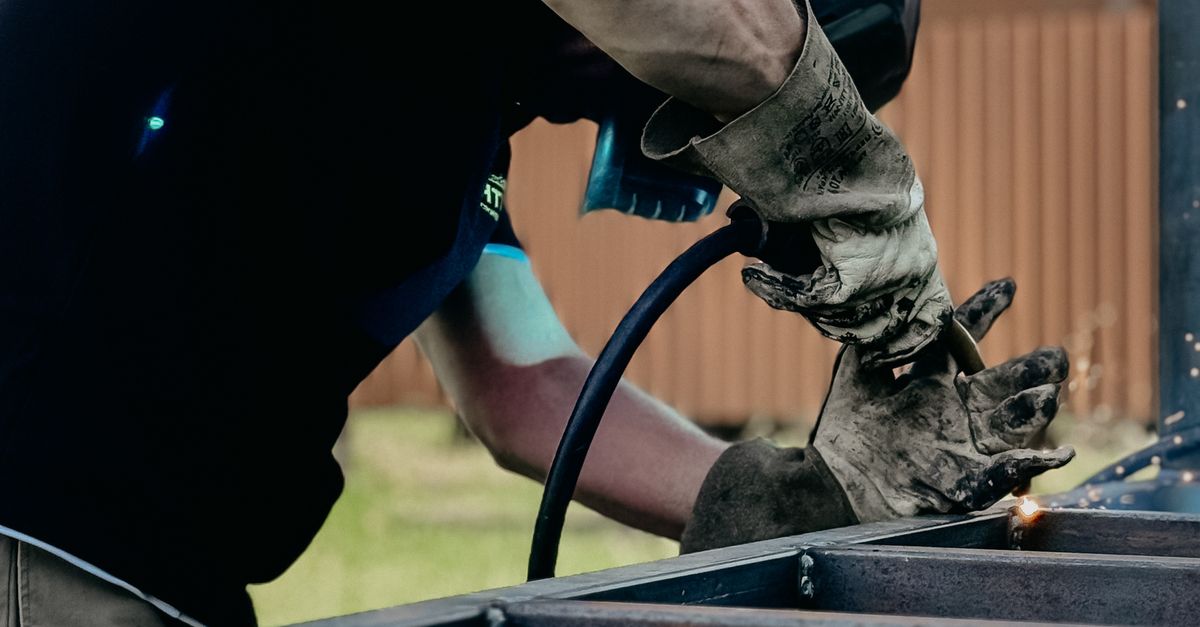
When engaging in TIG welding, the correct personal protective equipment (PPE) is essential to ensure the safety of the welder. A high-quality welding helmet with appropriate lens shade is crucial to protect the eyes from harmful UV and IR radiation. Flame-resistant clothing, such as long-sleeved shirts and pants, provides additional protection against sparks and heat. Gloves made from durable materials offer grip and shielding while allowing for dexterity, enabling better control over the welding process.
Implementing proper protocols is equally important in maintaining a safe work environment during TIG welding. Always ensure that the workspace is well-ventilated to reduce the accumulation of harmful fumes. Adequate fire safety measures, including fire extinguishers and a clear evacuation route, should be in place. Regular inspections of equipment, including hoses and regulators, can prevent potential malfunctions that may lead to dangerous situations. Adhering to these safety measures fosters a culture of responsibility and vigilance in the welding shop.
FAQS
What is TIG welding and how does it differ from other welding methods?
TIG welding, or Tungsten Inert Gas welding, uses a non-consumable tungsten electrode to produce the weld. It differs from other methods like MIG welding, which uses a consumable wire electrode, providing greater control and precision, particularly for thin materials.
What are some best practices for improving the quality of TIG welding in precision fabrication?
Best practices include maintaining a clean work area, properly preparing and cleaning the metal surfaces to be welded, using the correct filler materials, and practising proper torch angle and travel speed to ensure a consistent and high-quality weld.
What common challenges can arise during TIG welding?
Common challenges include tungsten contamination, inconsistent arc length, poor gas coverage, and difficulties in controlling heat input, which can lead to issues like warping, burnout, or weak welds.
How can I troubleshoot issues that occur during TIG welding?
Troubleshooting tips include checking for proper gas flow, inspecting the tungsten electrode for contamination or wear, adjusting the welding parameters such as amperage and travel speed, and ensuring that the workpiece is clean and properly prepared.
What safety measures should be taken when performing TIG welding?
Safety measures include wearing appropriate personal protective equipment such as goggles, gloves, and protective clothing, ensuring proper ventilation in the welding area, and following established protocols for handling materials and equipment to prevent accidents.
Related Links
The Advantages of Fabricating with Submerged Arc WeldingComparing Stick Welding and MIG Welding for Different Applications
Exploring the Impact of Welding Electrode Selection
Safety Practices in Welding for Metal Fabrication
Evaluating the Benefits of Flux-Cored Arc Welding
Innovations in Laser Welding for Metal Fabrication
Advanced Welding Techniques for Thick Metal Plates
Techniques for Effective Spot Welding in Fabrication
Understanding MIG Welding for Metal Fabrication Projects