Introduction to MIG Welding in Perth's Metal Fabrication Industry
Table Of Contents
Safety Precautions in MIG Welding
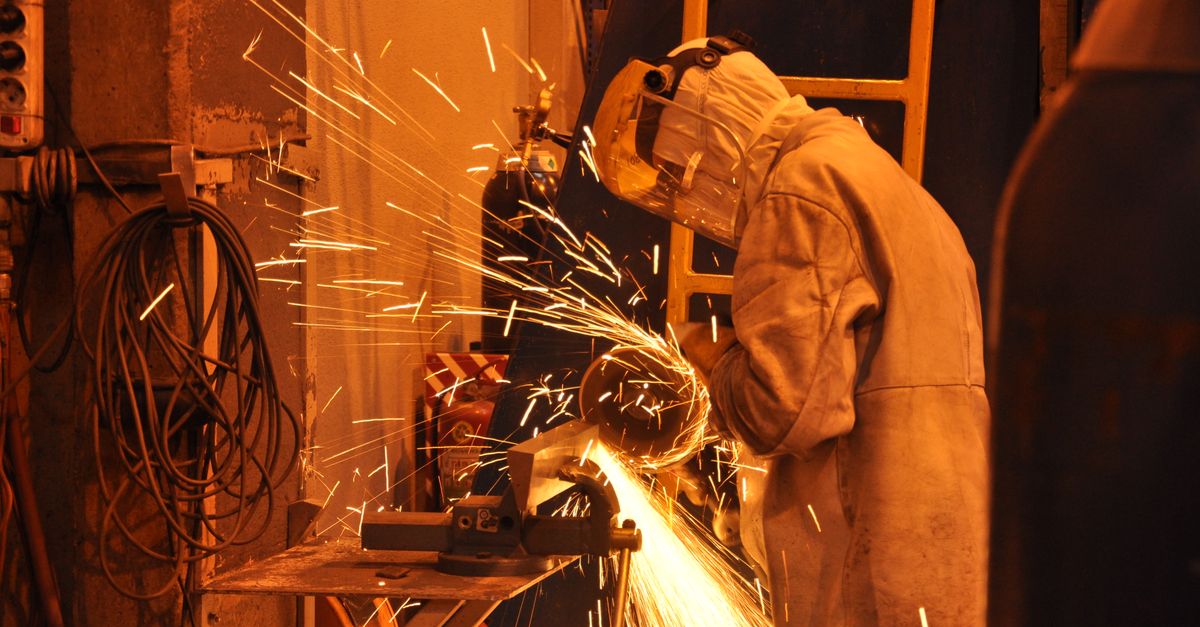
Wearing the appropriate personal protective equipment (PPE) is essential when engaging in MIG welding. Helmets with proper face shields protect against harmful ultraviolet and infrared radiation emitted during the process. Flame-resistant clothing, gloves, and steel-toed boots provide necessary protection from sparks and molten metal. Additionally, appropriate respiratory protection may be required, especially in poorly ventilated areas where fumes can accumulate.
Creating a safe workspace contributes significantly to minimising risks associated with MIG welding. Ensure that the work area is clean and free of flammable materials, as sparks can easily ignite nearby substances. Adequate ventilation is crucial to prevent the buildup of harmful fumes. Having a fire extinguisher within reach adds an extra layer of safety. It is also beneficial to maintain emergency contact information readily available, ensuring immediate assistance in case of unforeseen incidents.
Ensuring a Safe Working Environment
A safe working environment is essential in the metal fabrication industry, particularly during MIG welding. Workers should maintain a clean workspace, free from clutter and flammable materials. Adequate ventilation is crucial, as welding produces fumes that can be harmful if inhaled. It is also important to ensure that all equipment is in good working order and inspected regularly. Personal protective equipment, such as helmets, gloves, and protective clothing, must be worn at all times to safeguard against burns and sparks.
Regular safety training sessions can help keep everyone informed about best practices and emerging safety protocols. Implementing safety signs and proper storage solutions for hazardous materials can further minimise risks. It is crucial for everyone in the workshop to understand emergency procedures, including how to respond to accidents and fires. Encouraging open communication about safety concerns can foster a culture of awareness and precaution in the workplace.
MIG Welding Techniques
Mastering the basics of MIG welding is essential for producing high-quality welds. The technique involves feeding a continuous solid wire electrode through a welding gun, which melts and joins the metal pieces together. Proper manipulation of the welding gun is crucial; moving it at the right speed and maintaining an appropriate angle significantly influences the bead shape and penetration. Welders often use different speeds and angles based on the material thickness and type.
Understanding the parameters of voltage and wire feed speed further enhances the effectiveness of MIG welding. Adjusting these settings allows for better control over the heat input, which directly impacts the weld's quality. Practicing various joint types, such as butt and fillet joints, helps in developing a welder's skills and adaptability to diverse projects. Familiarity with different wire types and shielding gases also contributes to achieving optimal results in various metal fabrication scenarios.
Mastering the Basics for Effective Results
Understanding the fundamental aspects of MIG welding is crucial for achieving high-quality welds. Proper adjustment of the welding machine settings, such as voltage and wire feed speed, directly influences the penetration and bead profile. Selecting the right welding wire and shielding gas also plays a significant role in determining the quality of the finish. Practising techniques like maintaining a steady hand and the correct angle of the torch can dramatically affect the overall outcome.
Familiarity with the materials being welded enhances performance as well. Different metals respond uniquely to the heat and welding process. Knowing how to prepare the surfaces and choosing the suitable filler material contributes to achieving a strong bond. Regular practice coupled with attentiveness to detail helps to develop skills over time. This foundation not only boosts confidence but also ensures consistent, effective results in various welding projects.
Challenges in MIG Welding
MIG welding presents various challenges that can affect the quality and efficiency of the work. One common issue is porosity, which occurs when gas pockets become trapped in the weld bead. This can lead to weakened joints and reduced integrity of the final product. Factors such as contamination of the base material and incorrect gas flow can contribute to this problem. Maintaining a clean work environment and using the right shielding gas are essential steps to minimise porosity.
Another challenge lies in achieving consistent penetration and bead appearance, especially when working with different materials or thicknesses. Inadequate heat can lead to insufficient penetration, while excessive heat risks warping or burning through the material. Mastering technique adjustments such as the travel speed and wire feed rate is crucial for overcoming these hurdles. Practising on various metals and settings can help welders build the skills needed to adapt their approach as required.
Common Issues and How to Overcome Them
Welders often encounter issues such as incomplete fusion and porosity during MIG welding, which can compromise the integrity of the final product. Incomplete fusion occurs when the weld pool does not fully penetrate the base material, leading to weak joints. To tackle this problem, ensuring a proper travel speed and maintaining the correct angle of the welding gun are essential. Adjusting the voltage and wire feed speed can also contribute to achieving a more effective weld.
Another common challenge is spatter, which can affect the aesthetics of the weld and require additional cleaning. Control of the heat input is a critical factor, as too much heat can increase spatter. Adjusting the shielding gas flow and using the correct electrode diameter can help reduce spatter and enhance overall weld quality. Regular maintenance of the equipment is also vital to minimise these issues and ensure consistent performance.
FAQS
What is MIG welding?
MIG welding, or Metal Inert Gas welding, is a process that uses a continuous wire feed as an electrode and a shielding gas to protect the weld pool from contamination. It is widely used in the metal fabrication industry for its efficiency and versatility.
What safety precautions should be taken during MIG welding?
Safety precautions include wearing appropriate personal protective equipment (PPE) such as gloves, helmets with proper filters, and protective clothing. Additionally, ensure proper ventilation, keep flammable materials away, and be aware of your surroundings to prevent accidents.
What are some common challenges faced in MIG welding?
Common challenges include issues like inconsistent weld quality, spatter, and poor penetration. These can often arise from incorrect settings, improper technique, or using unsuitable materials.
How can I improve my MIG welding skills?
To improve your MIG welding skills, practice regularly, start with basic techniques before progressing to more complex projects, and consider taking a welding course. Additionally, seeking feedback from experienced welders can provide valuable insights.
What materials can be welded using MIG welding?
MIG welding is suitable for a variety of materials, including mild steel, stainless steel, and aluminium. The choice of shielding gas and wire type can vary depending on the material being welded.
Related Links
The Role of TIG Welding in Custom Metal ProjectsComparing Welding Materials for Different Applications
The Importance of Certification for Welders in Perth
The Benefits of Mobile Welding Services in Perth
Common Welding Defects and How to Avoid Them
Innovations in Welding Technology for Perth Fabricators