The Role of TIG Welding in Custom Metal Projects
Table Of Contents
Comparing TIG Welding with Other Methods
TIG welding is often lauded for its precision, making it an ideal choice for custom metal projects that require a high level of detail. Unlike MIG welding, where a continuous wire feed provides a variable deposition rate, TIG offers a controlled environment free from spatter. This method utilises a non-consumable tungsten electrode, which allows the welder to have complete control over the heat input and the filler material. This characteristic is particularly beneficial when working with thin metals or applications where aesthetic appearance is paramount.
When comparing TIG welding to oxy-fuel or stick welding, significant distinctions become apparent. Oxy-fuel welding can be cumbersome for intricate designs and typically lacks the finesse that TIG welding provides. Stick welding is generally easier to master, but it may not deliver the same level of penetration and quality for finer work. TIG's ability to weld a variety of metals, including aluminium, stainless steel, and copper alloys, while producing clean and strong welds sets it apart in versatility. This variance in capabilities makes it a preferred choice for applications in industries ranging from aerospace to artistic metalworking.
How TIG Stands Out Among Welding Techniques
When considering various welding methods, TIG welding distinguishes itself with its precision and versatility. The ability to control heat input allows for delicate work on thin materials without compromising their structural integrity. This technique is especially advantageous for projects that require impeccable aesthetics or intricate designs, making it the preferred choice for custom metal projects.
Another factor that sets TIG welding apart is the variety of materials it can effectively join. From stainless steel to aluminium and even non-ferrous metals, TIG welding adapts easily to different applications. This adaptability not only broadens project possibilities but also enhances the overall quality of the finished product, reflecting the skill and craftsmanship of the welder.
Preparing Metal for TIG Welding
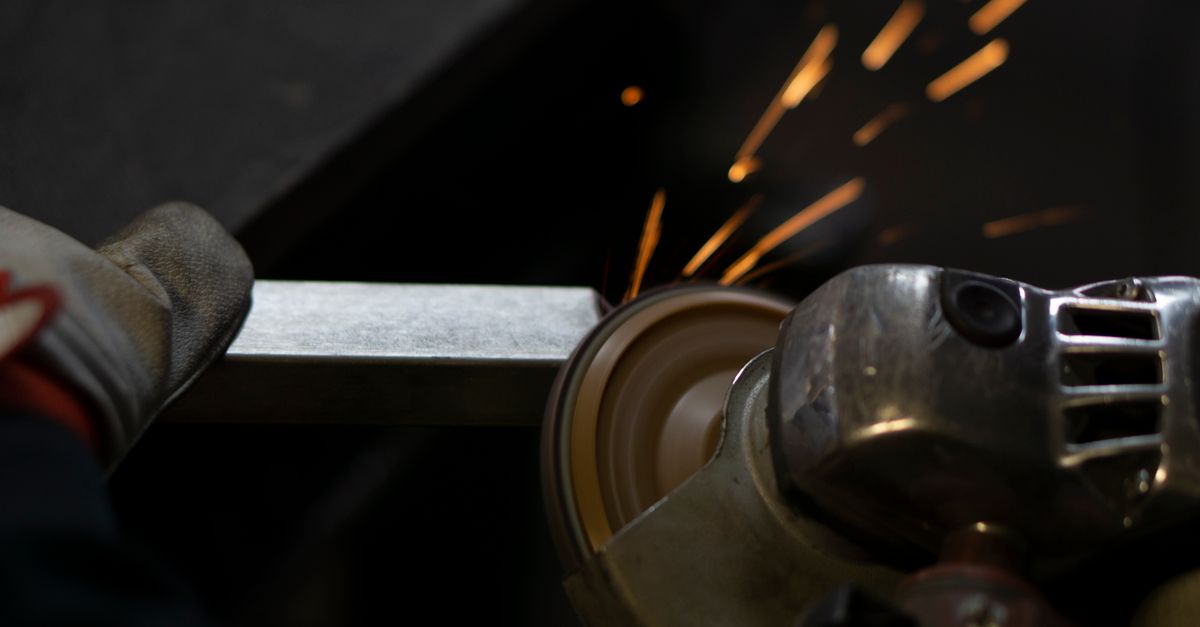
Effective preparation of metal surfaces significantly impacts the quality of TIG welding outcomes. Cleanliness is paramount. Any dirt, oil, or oxidation can lead to contamination, which compromises the integrity of the weld. Prior to welding, it is essential to remove these contaminants through methods such as degreasing and grinding. A wire brush or a flap disc can be useful for cleaning metal edges and ensuring a smooth surface. It is advisable to work on a well-ventilated area when using chemical cleaners to avoid harmful fumes.
After cleaning, assessing the fit-up of the materials is crucial. Gaps between pieces can lead to inconsistent weld quality. Proper alignment and secure clamping of components will aid in achieving a uniform weld throughout the project. Backing bars may also be employed for thicker materials to prevent warping or burn-through. Ensuring a stable and clean working environment enhances the efficiency of TIG welding, allowing for more precise and high-quality results.
Surface Preparation Techniques
Surface preparation is crucial for achieving high-quality TIG welds. This process begins with cleaning the metal surface to remove contaminants such as oil, grease, dirt, or rust. Techniques like solvent cleaning, chemical stripping, or mechanical methods can be employed to prepare the metal. A thorough clean not only improves the appearance of the final weld but also enhances its strength and longevity. Ensuring the surface is free of impurities is essential for proper fusion during the welding process.
In addition to cleanliness, achieving the right surface finish plays a key role in preparing for TIG welding. Some metals may benefit from a specific grit mill finish, while others could require grinding or brushing to create an optimal profile. This enhances the contact area between the base metal and filler material, promoting better adhesion. The uniformity of the surface also helps in controlling heat input during the welding process, thus reducing the risk of warping or distortion in the finished project.
Common Challenges in TIG Welding
TIG welding presents various challenges that can affect the integrity and appearance of the final product. One common issue is controlling the heat input, as excessive heat can lead to distortion or burn-through in thinner materials. This requires the welder to maintain a steady hand and a keen eye, ensuring that the arc length and welding speed are carefully managed to avoid overheating. Additionally, the sensitivity of the tungsten electrode to contamination from oils, greases, or oxidation can result in an unstable arc, leading to inconsistent weld quality.
Another challenge faced during TIG welding is the requirement for meticulous preparation and cleanliness of the surfaces being welded. Any contaminants on the metal can adversely affect the quality of the weld. It is crucial to thoroughly clean the base materials, often involving mechanical or chemical methods. Furthermore, managing filler rod addition while maintaining the molten pool without interrupting the continuity of the weld bead can be tricky. These factors demand a high level of skill and experience from the welder, making preparation and practice essential for achieving successful results.
Troubleshooting and Solutions
Welders often encounter several challenges during the TIG welding process. Heat input can be difficult to control, leading to warping or burn-through in thinner materials. Adjustments to arc length and amperage are essential to reduce these issues, as is the practice of using heat sinks or backing bars to help dissipate heat. Additionally, cleanliness in preparation can significantly impact the quality of the weld; contaminants on the metal surface may result in inclusions or poor fusion.
When facing porosity in the weld bead, inspecting the shielding gas flow and ensuring the correct gas mixture can help mitigate this problem. Leaks in gas lines or improper connections might also lead to inadequate coverage. Monitoring the tungsten electrode for contamination is crucial. A clean and properly sharpened electrode will produce a stable arc, enhancing the overall quality of the weld. Regular maintenance of equipment contributes to a smoother TIG welding process and more successful outcomes.
FAQS
What is TIG welding and how does it work?
TIG welding, or Tungsten Inert Gas welding, is a welding process that uses a non-consumable tungsten electrode to produce the weld. An inert gas, usually argon, shields the weld area from contamination, allowing for high-quality and precise welds.
How does TIG welding compare to other welding methods?
TIG welding is known for its ability to produce clean and strong welds on a variety of metals, including stainless steel, aluminium, and magnesium. Unlike MIG welding, which uses a spool of wire, TIG requires more skill and is often slower, but it offers greater control, making it ideal for intricate and custom metal projects.
What are the key surface preparation techniques for TIG welding?
Before TIG welding, it's essential to clean the metal surfaces to remove any contaminants such as oil, grease, rust, or paint. Common surface preparation techniques include grinding, sanding, or using a chemical cleaner, depending on the material and the extent of contamination.
What are some common challenges faced during TIG welding?
Common challenges in TIG welding include issues such as contamination, improper settings, and difficulty in maintaining a steady hand. Other challenges may involve managing heat input and ensuring proper filler material usage.
How can I troubleshoot problems in TIG welding?
To troubleshoot TIG welding issues, first identify the problem, such as porosity or inconsistent welds. Common solutions include adjusting the amperage, ensuring adequate gas flow, checking electrode cleanliness, and practising steady hand movements. It's also helpful to review the welding technique and make necessary adjustments.
Related Links
Choosing the Right Welding Equipment for Perth FabricatorsIntroduction to MIG Welding in Perth's Metal Fabrication Industry
Comparing Welding Materials for Different Applications
The Importance of Certification for Welders in Perth
The Benefits of Mobile Welding Services in Perth
Common Welding Defects and How to Avoid Them